
XERF is one of the newest advancements in non-surgical facial lifting, designed to tighten the deeper support structures of the face while preserving natural facial volume.
A next-generation radiofrequency treatment designed to tighten skin, stimulate collagen, and restore facial structure without surgery or downtime.
XERF delivers controlled radiofrequency energy into multiple layers of the skin, stimulating collagen remodeling and improving skin firmness. The result is gradual tightening that supports the natural contours of the face.
Why Does the Face Start to Sag?
As a natural part of aging, the face gradually begins to lose its firmness and structure. This happens due to a combination of factors, including a decrease in collagen and elastin, the weakening of facial support tissues, and changes in the fat that helps maintain youthful contours.
Starting in our mid-20s the body produces less collagen, which is the protein responsible for keeping skin firm and smooth. After our 30s, we may lose about 1% of our collagen each year. Think of collagen as the internal scaffolding that supports your skin, helping it stay firm, smooth, and lifted. Over time, as this scaffolding gradually weakens, the skin begins to lose its structure and definition.
This is often more noticeable in areas such as:
• The jawline, where contours may start to soften
• The lower face, where mild sagging can appear
• The cheeks, which may lose volume and lift
• The neck, where the skin can become looser and less defined
As this support capability diminishes, the skin is less able to maintain its natural position, contributing to a more tired or aged appearance.
At the same time, elastin, another key component that allows skin to stretch and return to its original shape, also declines. Then the skin appears less tight and more prone to sagging.
In addition, the deeper layers of the skin begin to weaken. This is partly due to reduced production of hyaluronic acid, which helps keep the skin hydrated and plump, and decreased activity of fibroblasts, the cells responsible for producing collagen and supporting skin repair. As a result, the skin may appear drier and less elastic, which would contribute to the appearance of wrinkles.
It’s important to understand that aging is not just about wrinkles: the face also loses structural support. As collagen, elastin, and underlying fat diminish, the skin has less foundation to hold its shape.
Gravity has a major effect, too. Over time, it determines the direction in which the deflated and atrophicated soft tissues hang, as they lose volume and strength. This can lead to a downward shift in facial contours, contributing to sagging and a more tired appearance. These changes cause the skin to gradually stretch and lose its firmness, making the signs of aging more noticeable over time.
This is why treatments that stimulate collagen in deeper skin layers can help support the skin and restore a more lifted appearance.
What is a non surgical facelift?
You may have noticed a major trend on people to choose non surgical skin procedures. And in fact, most cosmetic procedures are non-invasive.
This being said, one of the most trending non-invasive cosmetic procedures is the non surgical facelift. It is a mix between minimally invasive and non-surgical techniques with the purpose to rejuvenate the appearance. These procedures don’t require anesthesia and large incisions to perform. Basically they involve treatments which target facial firmness and structure without surgical lifting.
These treatments focus on:
Collagen regeneration
Skin Tightening
Improvement of the structural support within the skin
Unlike surgery, which physically repositions tissues, non-surgical procedures approach a pleasing appearance by improving skin without invading its delicate layers. In the long term, this results in a more lifted and supported dermis.
XERF represents a refined approach within this category by targeting multiple layers of the skin to project natural improvement.
What is XERF?
XERF is a radiofrequency-based skin tightening treatment designed to stimulate and boost natural collagen production across multiple layers of the skin.
Unlike traditional radiofrequency devices that primarily treat surface layers, XERF delivers controlled energy into:
- Superficial layers
- Mid-dermal layers
- Deeper structural layers
These are accomplished when activating the body’s regenerative process by using sophisticated radiofrequency to target and treat multiple layers of the skin simultaneously.
This multi-depth approach is important because facial aging occurs at different levels of the skin and XERF helps restore support where structural changes occur.
XERF does not lift the skin artificially, but rather, it improves the natural firmness, elasticity and resilience of it.
HOW XERF Creates a Lifting Effect
The lifting effect of XERF is achieved through a three-step biological process:
1.Controlled Heating
Radiofrequency energy heats the targeted tissue layers in the skin. The heating is carefully controlled to ensure effectiveness and comfort within the skin.
2.Collagen Stimulation
The heat then activates fibroblasts, which are the cells responsible for collagen production. The activation of the fibroblasts triggers the body’s natural regenerative response.
3.Skin Tightening Over Time
As new collagen forms over the following weeks, the skin biomes firmer, more elastic, and better supported.
The outcome is a gradual improvement in facial contours, particularly in areas such as the jawline and lower face.
Areas Commonly Treated
XERF is frequently applied in areas where skin laxity typically develops first and sagging is beginning to appear. And for this reason, they respond well to the treatment.
These areas usually involve the face, neck, jawline and lower cheeks, to treat fine lines, lifting and sagging.
Who is the ideal candidate for XERF?
People who may notice early skin laxity around their thirties, and want to address them before more signs of aging develop. Also, patients who would like to improve jawline definition and lower face without undergoing surgery to maintain their facial expressions.
It is also well-suited for those who prefer treatments that utilize and improve the body’s own regenerative processes, so results develop gradually and accomplish authenticity in appearance rather than an overdone facial remodeling.
In general, the ideal age range for someone to proceed with this treatment is between late 30s to 60s.
What the Treatment Feels Like
Patients typically feel warmth for around 30 to 60 minutes. It is a temporary sensation similar to a modest light sunburn. In case the warmth doesn’t cease after a couple of hours, there is no concern it won’t be done by the end of the day, although this tends to happen with those who have more sensitive skin.
Another frequent sensation is of a gentle heating, which may be experienced intermittently during the treatment as the energy is delivered to multiple layers of the skin.
What to Expect During the Treatment
Consultation
Each treatment begins with a consultation, where the skin is evaluated and a personalized plan is created according to the patient’s skin and goals.
Treatment
Lasting usually around 30 to 45 minutes depending on the treatment area, XERF treatments are comfortable and efficient. The treatment handpiece moves across the skin while controlled radiofrequency energy is delivered to deeper tissues.
After Treatment
Even though the skin can have a feeling of heating after XERF, most patients can return to normal activities immediately and no recovery time is needed.
Additionally, in case of wearing makeup regularly, you can apply it to your skin on the same day after the treatment.
When Will Results Appear?
Fortunately, just after the treatment has proceeded, patients will feel their skin tightened.
Optimal results occur over the following weeks as collagen rebuilds and is produced, leading to the thickening and shortening of collagen fibers as the tissue gradually restructures.
This gradual progression is a key feature for a firmer, smoother and a more structure supported skin, which contributes to desired natural-looking results.
Recommended Treatment Plan
For optimal collagen remodeling, a structured treatment plan is recommended:
Typically, this involves two treatments spaced four weeks apart, and after that there should be one treatment per year for maintenance purposes.
The first treatment provides an initial tightening effect while activating your skin’s natural collagen production, which continues to improve firmness over the next months.
The second treatment reinforces collagen stimulation and enhances long-term skin tightening.
This process is designed to function as a complete non-surgical facelift protocol, supporting both immediate and progressive improvements
Treatment Package: 2 Sessions for $3,900
.
Before & After
Many patients notice visible improvement after their first treatment, with more enhanced definition and firmness after two treatments.
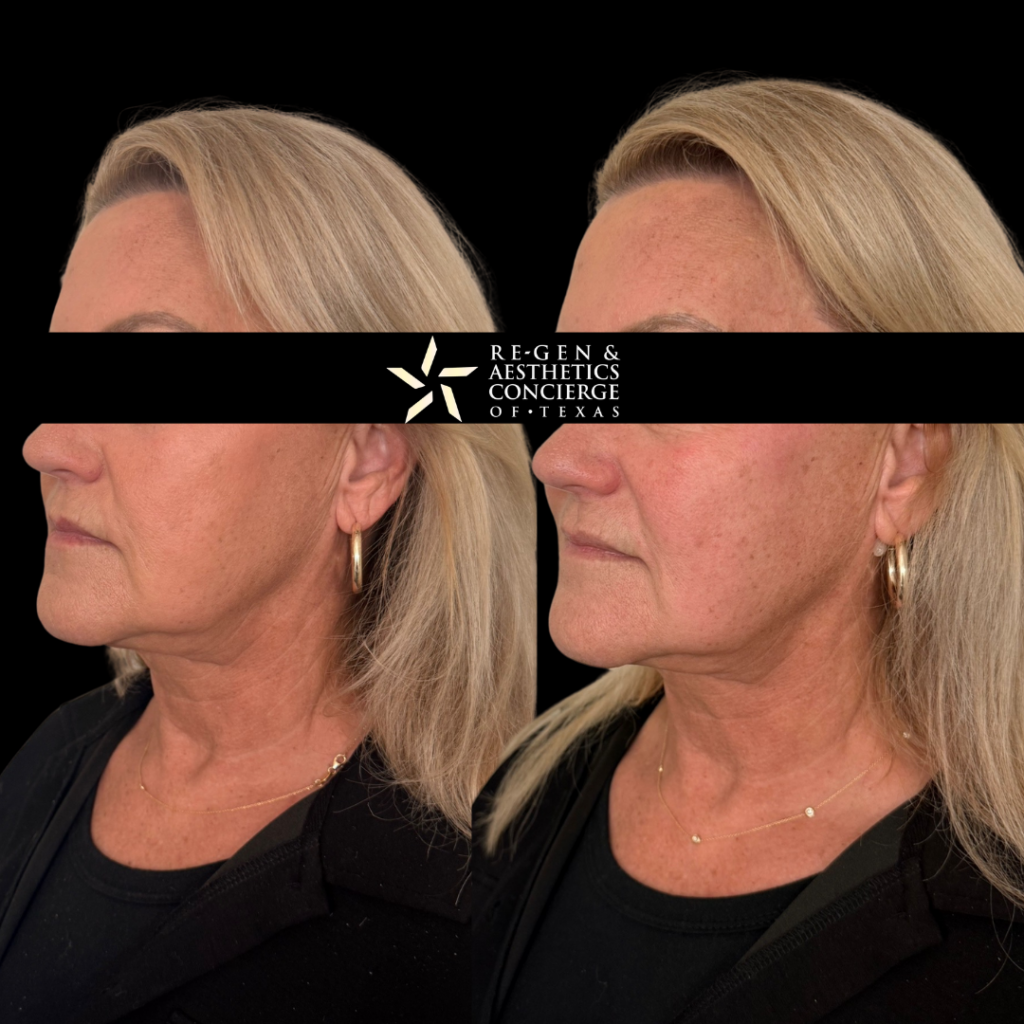
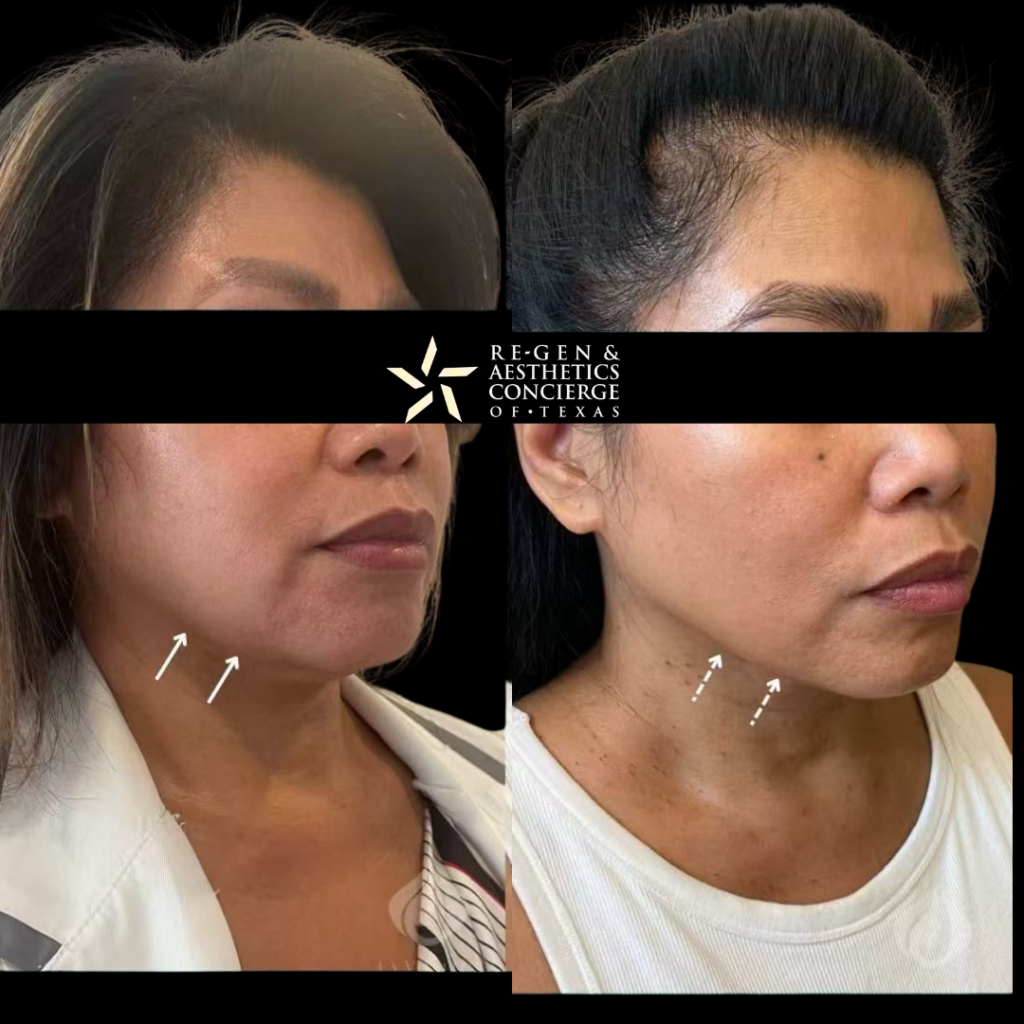
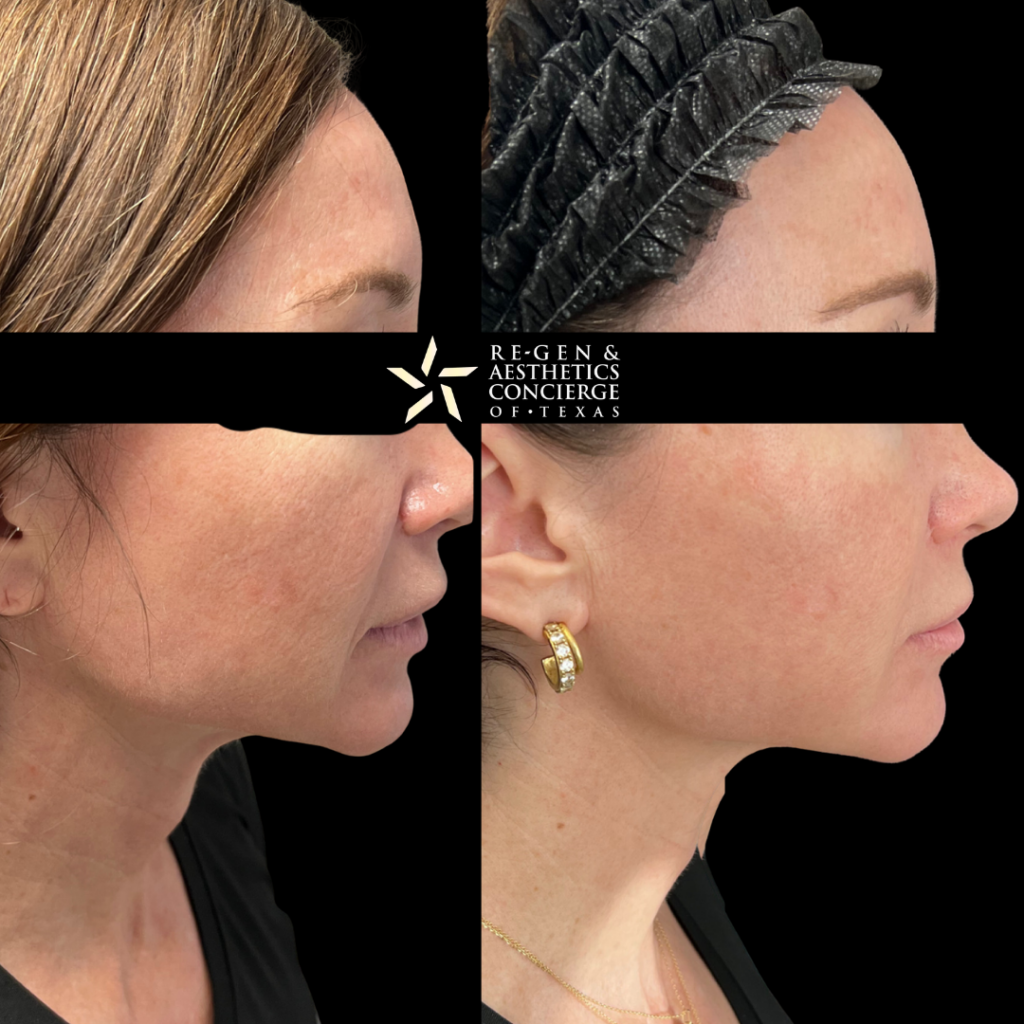
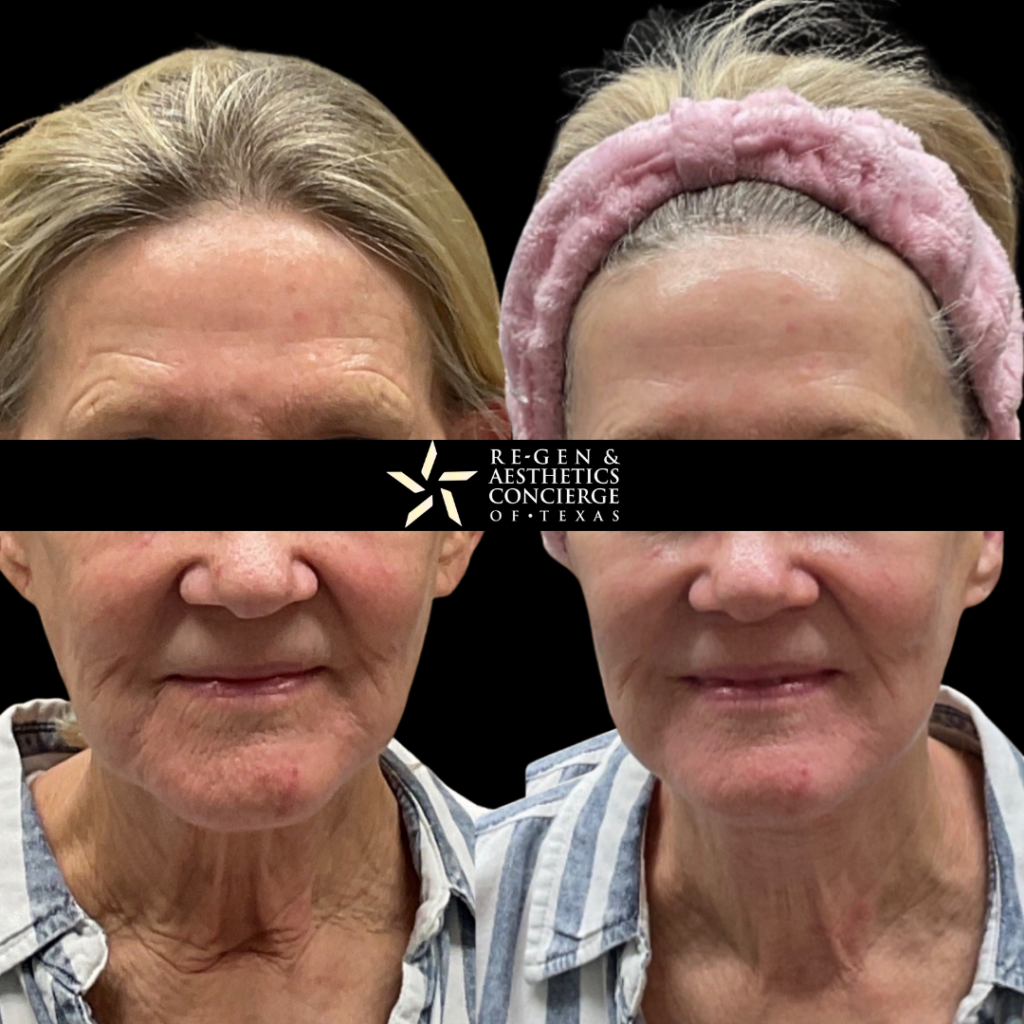
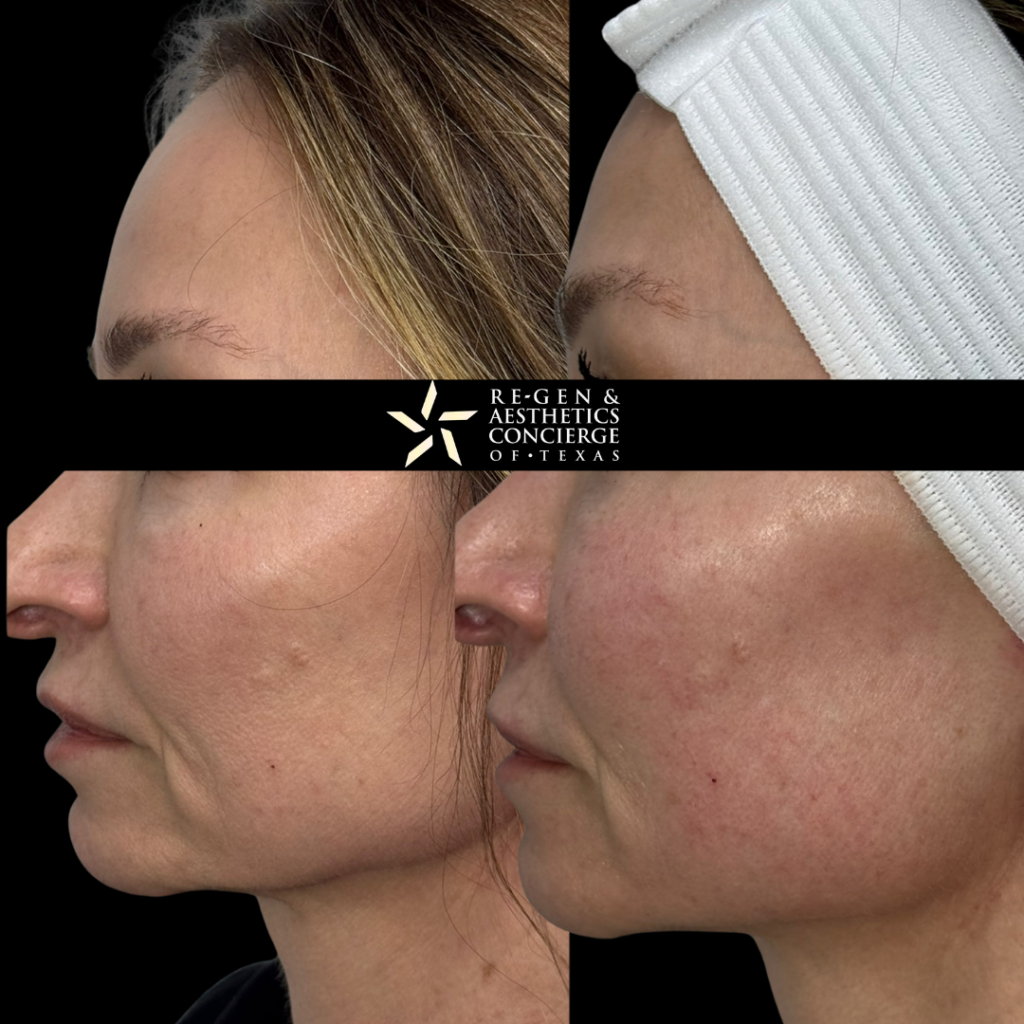
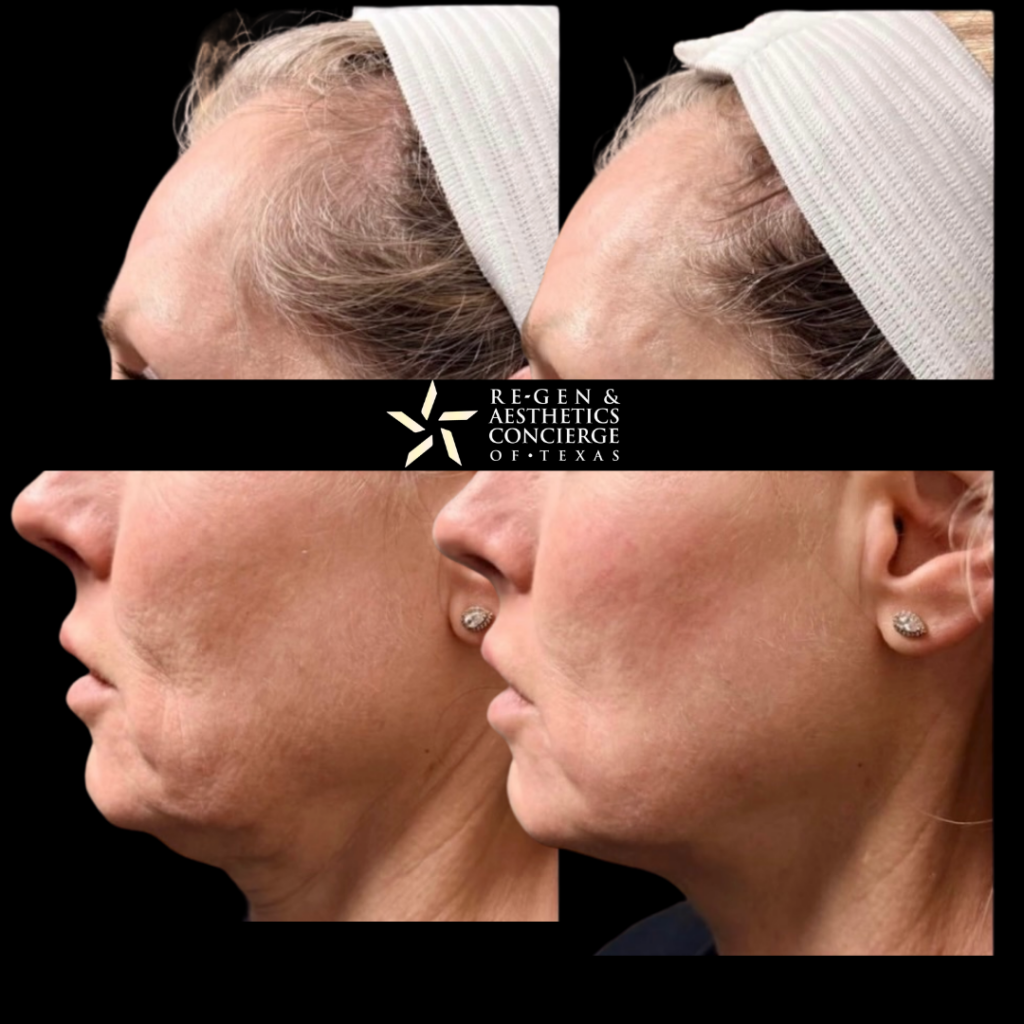
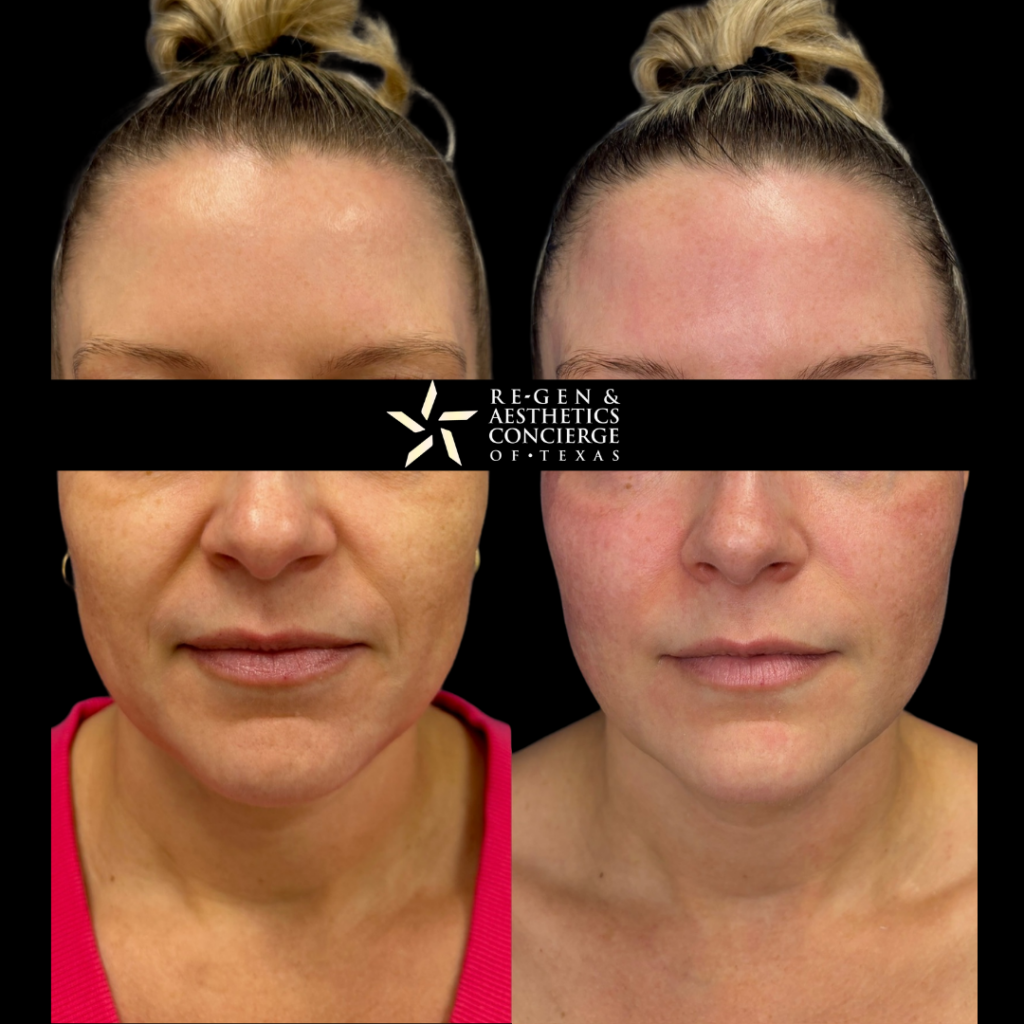
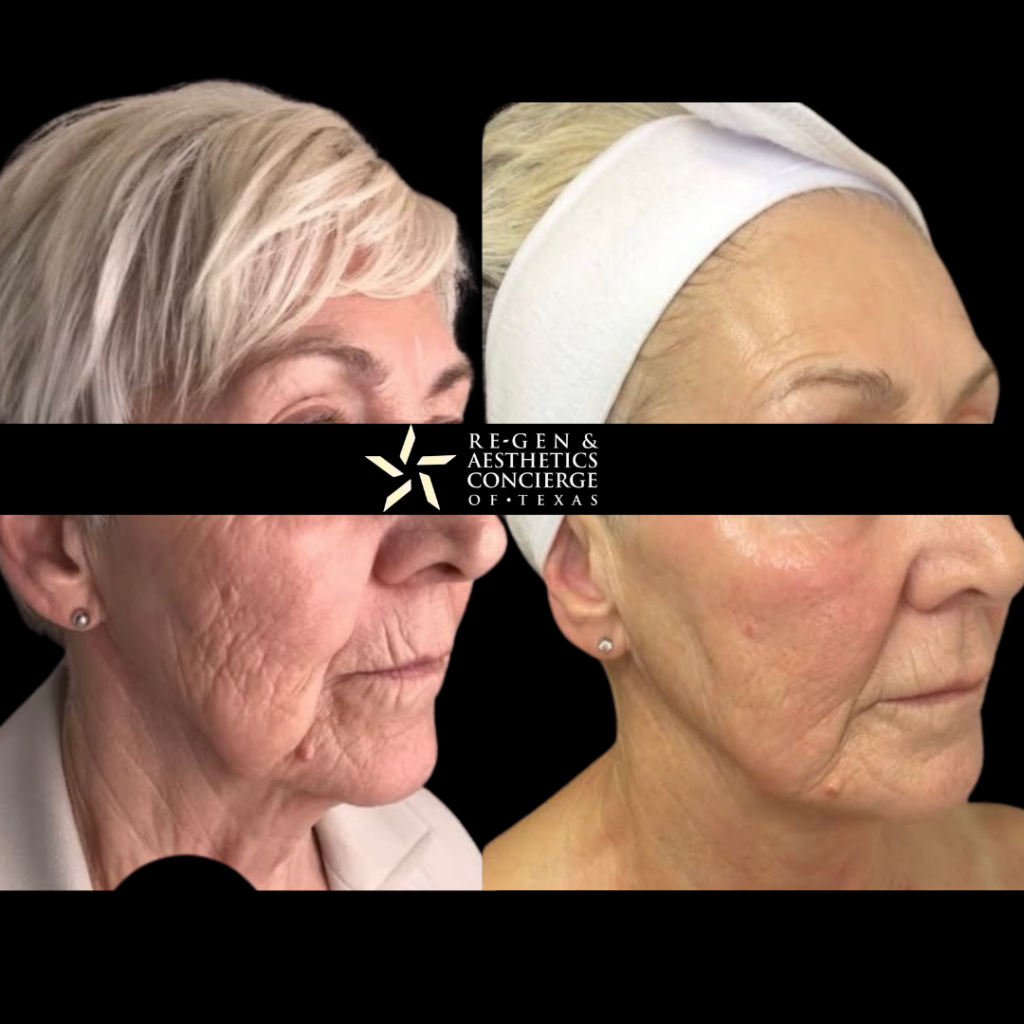
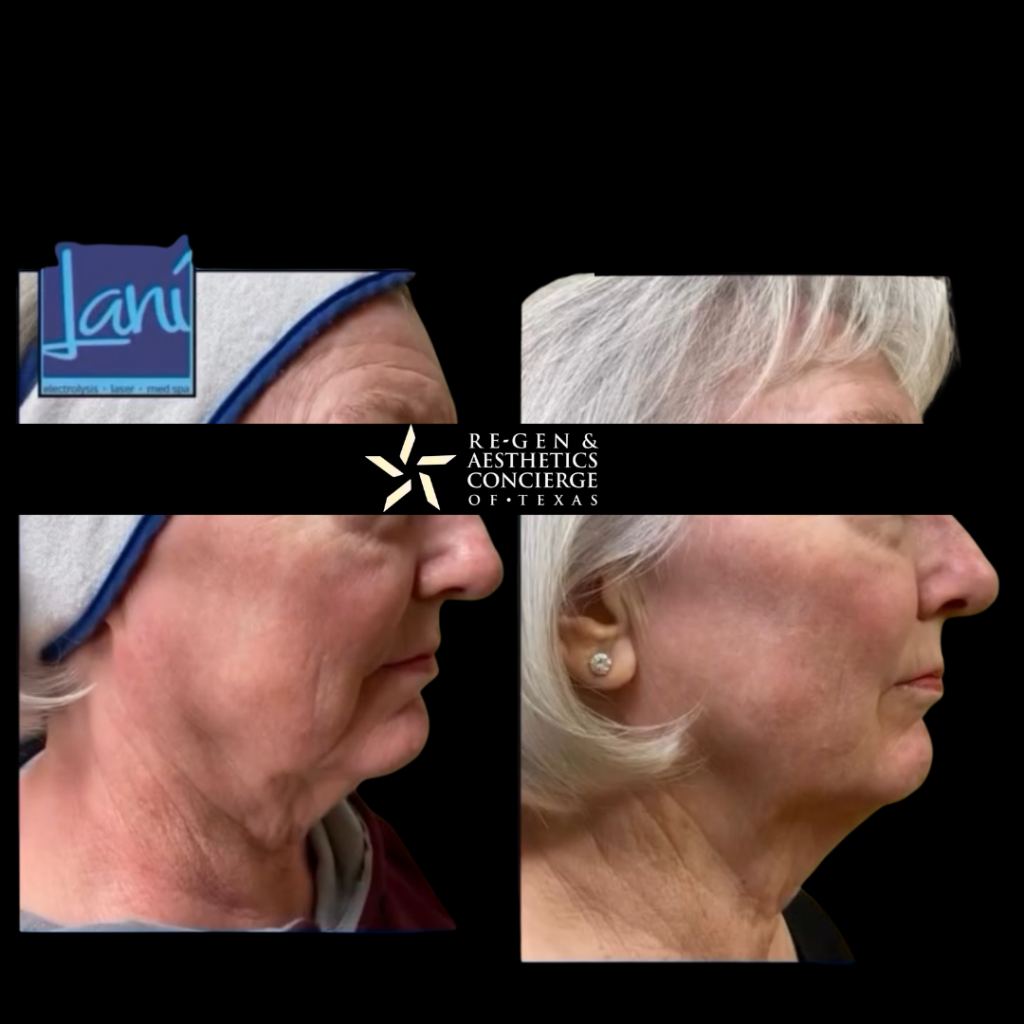
Completing both treatments helps achieve the best possible results.
Frequently Asked Questions
Does the treatment hurt?
Most patients find the treatment comfortable, and it is described as a comfortable warming sensation. No numbing or injections are required.
Is there downtime after XERF?
No. Patients can resume normal activities immediately after treatment.
How many sessions do I need?
Optimal results are achieved by two treatments, one after between a month and four months, and then one yearly maintenance treatment.
How long do results last?
Results vary depending on each individual, but improvements can last several months as collagen continues to remodel.
Can this replace a surgical facelift?
XERF does not replace surgery for advanced sagging. However, it can significantly improve skin firmness and will help delay the need for surgical procedures.
Why Patients Choose RA – TX
At Regen & Aesthetics Concierge of Texas, we believe the best aesthetic outcomes come from treating aging at multiple structural layers.
Our approach addresses the structural changes that occur with aging, supporting the skin from the inside out while enhancing its appearance and health from the outside in.
We combine advanced techniques such as:
• Regenerative skin treatments
• Collagen-stimulating therapies
• Structural tightening technologies like XERF
• Hormonal and metabolic optimization when appropriate
In order to achieve natural, balanced, and long-lasting rejuvenation, we provide support to our patients through this strategy,
Considering a Non-Surgical Facelift?
A consultation allows us to evaluate your skin and determine whether XERF is the right treatment to help improve your facial firmness and support the natural structure on your skin.
SCHEDULE CONSULTATION
XERF vs Surgical Facelift
In order to make informed decisions, we provide a clear understanding on the differences between non-surgical and surgical approaches to our patients.
In terms of the aging approach, XERF works by stimulating the natural regenerative process on the skin and encouraging collagen production to improve skin’s firmness. It does not reposition tissues. On the other hand, surgical facelift does physically reposition and tightens the deeper facial tissues on the skin. A more immediate change in facial contours is achieved by lifting the underlying structure.
In terms of invasiveness, XERF doesn’t involve needles and incisions. It uses controlled radiofrequency energy to heat the layers of the skin, so no anesthesia is required.
A surgical facelift will involve incisions on these layers, the lifting of tissues, and sometimes the removal of skin for a more elevated appearance.
Finally, in relation to recovery and longevity, XERF doesn’t involve downtime after treatment, but results develop gradually and may be maintained with periodic treatments. A surgical facelift, in contrast, will result in lasting for several years but will require a considerable length of time to recover. Meanwhile, swelling and temporary activity restrictions may take place.
We have to consider XERF does not totally replace a surgical facelift in cases of advanced aging. Though, it can maintain the quality and structural support of the skin over time.